
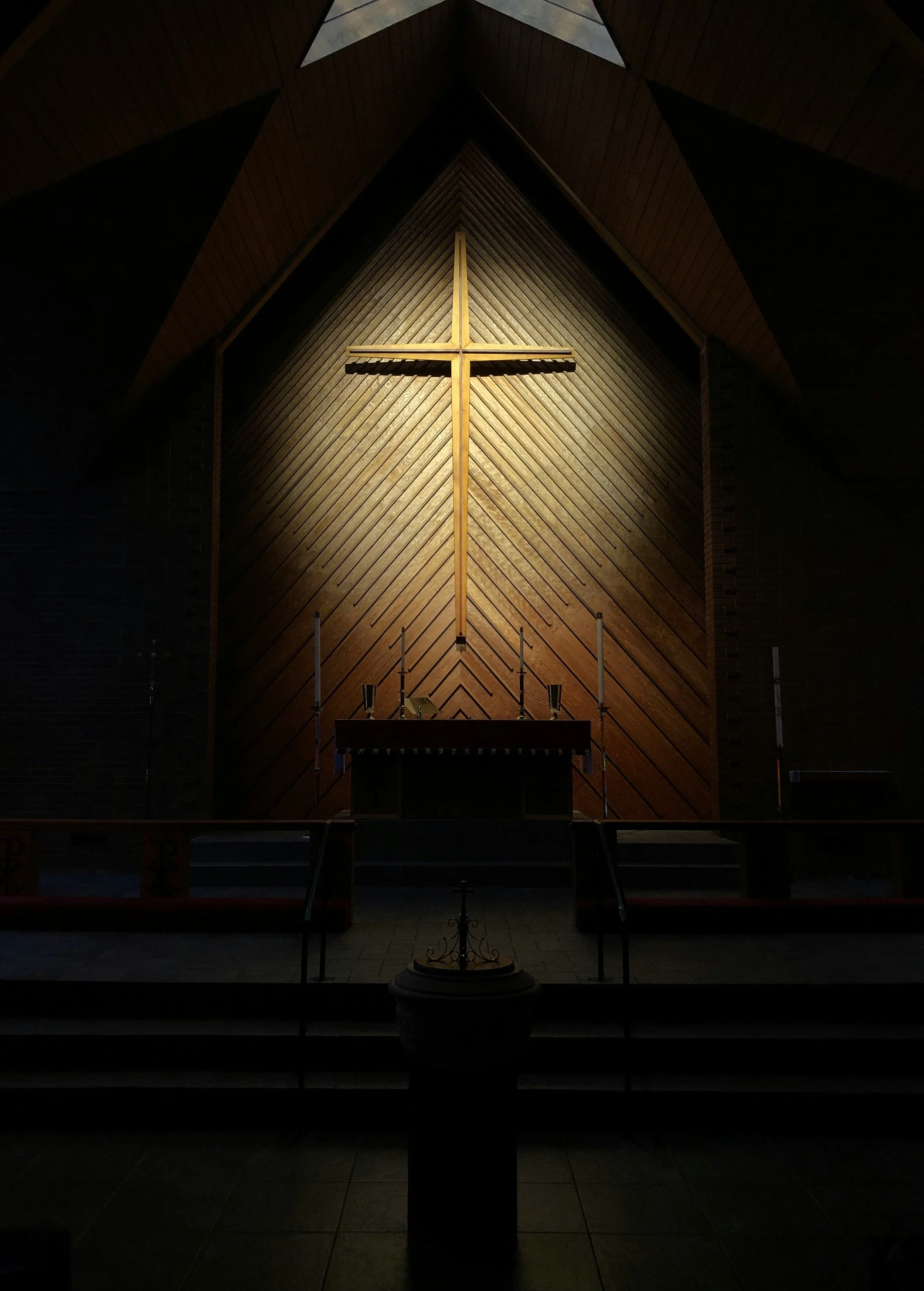
The ancient Hebrew word אוֹת (pronounced “ōth”) is used several times - and very particularly - in the Old Testament scriptures. It means “sign, signs, banner, omen, pledge, a standard, witness, or ensign (a flag on a ship to designate which country it belongs to). When Yahweh commands the Israelites in the fourth commandment to …
Exodus 20:8 (NIV) "Remember the Sabbath day by keeping it holy.”
… the English translations omit the word אוֹת for some reason. I don’t know why, because, though it is a small word, it is very significant. With its omission we lose an important piece of wisdom and understanding, as well as the heart of God towards us. The word seems to be absorbed somehow in the English translation such that we miss it. Yet it is one of those words in the Hebrew scriptures the provide vital nuance - a subtle difference in or shade of meaning, expression, or sound that is so important for deeper understanding. Nuance is an important aspect of all our communication. אוֹת used here in Exodus 20 carries a strong sense of personal intimacy between Yahweh and the Israelites. A richer translation of the Hebrew text could be, “Remember the Sabbath day as a special sign between you and Me, so it must be kept holy”.
The word אוֹת conveys this rich sense that God has established the Sabbath day, not as some religious observance, but as a day that belongs only to God and His people – together – and that is why it is holy and, therefore a priority for God’s people. The word in the text is an “indicator word” that signals to the reader that this is personal for God and an exclusive thing for Him and His people. It is kind of like God is saying with the fourth commandment - and it is a commandment not an option – “this is our day together, for Me to be with you, and for you to be with Me, and no one else. This is אוֹת, it is our special sign and pledge. This is the ensign you raise to tell the world to whom you belong”.
And so אוֹת goes far beyond religious observances - it’s personal, especially where the Sabbath is concerned. Six days are for work and everything else but the Sabbath is exclusive because it is אוֹת – it’s God’s pledge to us, and our pledge to God, our special sign and statement as His people. This one little word changes so much in our understanding of what the Sabbath (or Sunday, for us today) is all about.
The observance of the Sabbath has been the subject of theological discussion and practice right throughout history. Traditionally, the Sabbath is observed from Friday evening to Saturday evening, in Jewish custom. However, many Christians observe Sunday, the first day of the week, as the Lord's Day, commemorating the resurrection of Jesus Christ. This shift is rooted in the early church's practice and is seen as a fulfillment of the Sabbath principle in the new covenant. Which actual day it is, is a bit irrelevant in some ways. But two key issues inform our understanding. One, the Sabbath day sign and pledge it not optional, it’s a command. Two, the fact the vast majority of Christians worship on a Sunday means that it is the only real option for the people of God to meet together with the Lord to fulfil this command and to honour the principle of the Sabbath – the special sign between God and His people.
Of course, in our 24/7 secular world in which we live, some of us work on a Sunday or are on call, like doctors, firefighters, police and so on. And many believers are in those kinds of jobs which make every single Sunday in worship with the rest of God’s people difficult. But this means that we need to make every effort to honour the Lord when we can meet on a Sunday, and also that we who are in such circumstances set aside a personal day as a sign and pledge to God. When people say, “You don’t have to attend church to be a Christian” we now know, because of the word אוֹת that is a load of nonsense. The Lord’s day is a sign and pledge God has established between Him and His people, and it should not be trashed, or disregarded as inconvenient in our schedules.
Keeping the sabbath is set forth here in the fourth commandment with the broad significance of a general sign (אוֹת) throughout Israel's generations, that Yahweh is the one who has made them special. Keeping His Sabbath is one way of realising that specialness, of keeping keen the sense of it, just as the Tabernacle and the various symbols contained within it were a continuing way of representing the presence of God at hand that made that specialness a reality. The intention of this sign and the reason it must be kept so regularly and so conscientiously is that Israel might know Yahweh's presence by experience, in every generation, and be reminded constantly that only by that presence are they a people set apart. It is for this reason that the Sabbath command is to be kept so strictly. Disregard for the Sabbath, either by neglect or by a violation of the strictures concerning it, is disregard for Yahweh: and disregard for Yahweh is disregard for the reason and the possibility of Israel's existence as a people. Now, we are not Jews here at ReChurch, but all of this applies to us, too – because God has made us special.
1 Peter 2:9-10 (NIV)
“But you are a chosen people, a royal priesthood, a holy nation, God's special possession, that you may declare the praises of Him who called you out of darkness into His wonderful light. 10 Once you were not a people, but now you are the people of God; once you had not received mercy, but now you have received mercy.”
We are special. God has made us so through Jesus.
The fact that the sabbath commandment (way back in Exodus) is a perpetual covenant between Yahweh and Israel - a sign in perpetuity, a אוֹת - is an additional reason to extend the application of the commandment to a frame far broader than just the prohibition of work on the Sabbath. The reason the Sabbath is to be kept is that Yahweh has commanded it as a sign of the covenant in perpetuity between Himself and Israel, the covenant by which Israel made a response to the gift of Yahweh's presence. And, by extension, we do the same today on the Lord’s day each week.
And so, אוֹת. It’s a special sign and pledge and ensign, between God and us. More than obligation and duty, the Lord’s Day is a designated day that God has established as holy, where He gets to be with us without distraction, and we get to be with Him to worship and adore Him … to respond without reservation to the One who has made us special.
“Remember the Sabbath day, it is holy. It is a pledge-sign between Me and you, forever in the eyes of the world.”
Psalms 122:1 (KJV)
A Song of degrees of David.
“I was glad when they said unto me, ‘Let us go into the house of the LORD’”.
Join us nice and earlier at worship. Let us use each Lord’s Day opportunity to respond to Him who has made us His sons and daughters.
Ps Milton
[Sources: Hebrew text of the Old Testament; Brown-Driver-Briggs lexicon of the Torah; World Biblical Commentary, Book of Exodus]